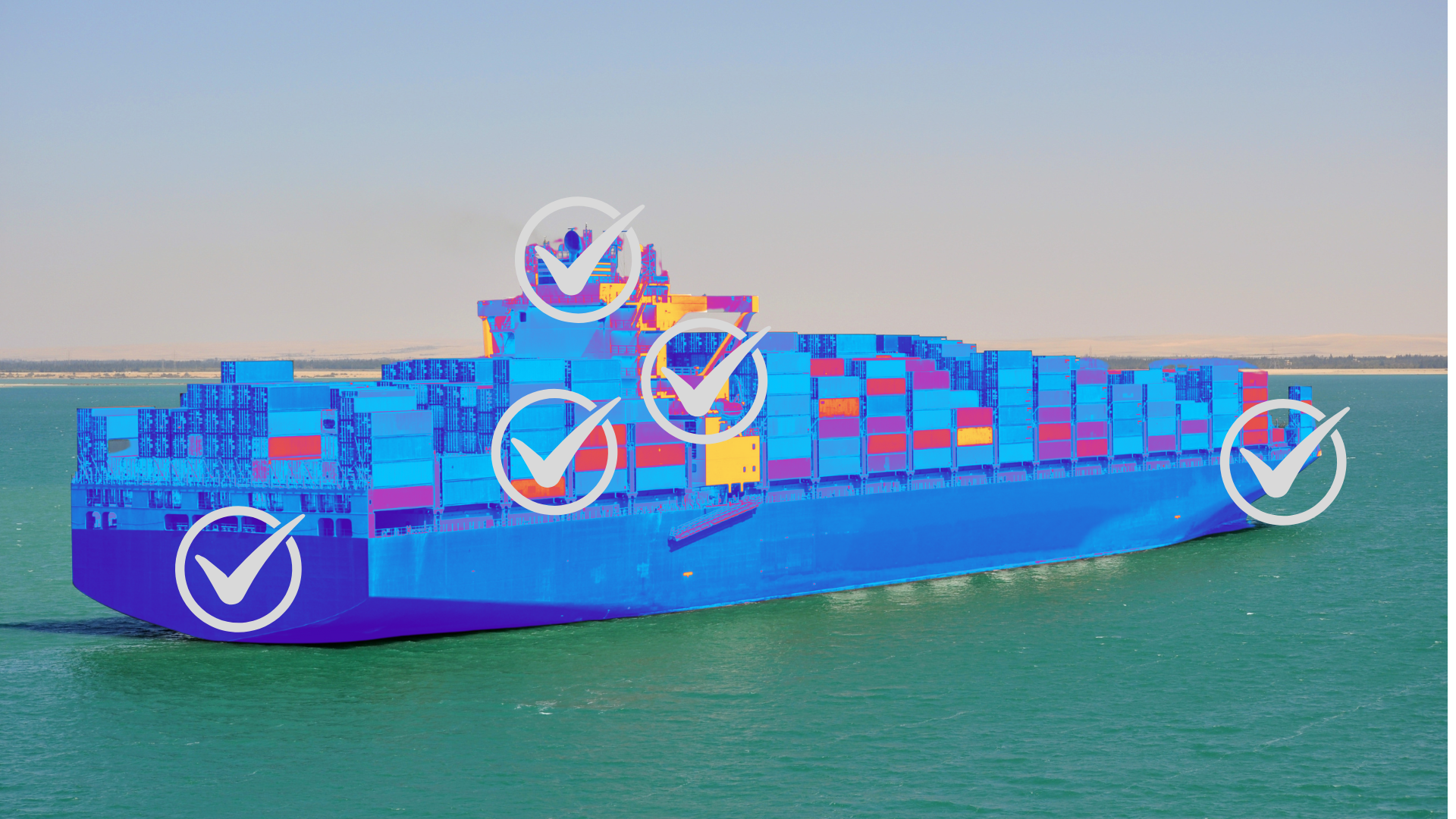
Secure Your Fleet

Risk Assessment and Vulnerability Management
Cybersecurity Risk Assessment: Evaluate the cybersecurity risks related to navigation, communication, and cargo management systems.
Vulnerability Scanning: Use automated tools to identify vulnerabilities in the ship’s digital infrastructure, including onboard systems (e.g., ICS, SCADA) and connected devices.
Penetration Testing: Conduct penetration testing on the ship’s network, communication systems, and connected devices to identify weaknesses and test resilience against potential cyberattacks.

Cybersecurity Monitoring and Incident Response
Continuous Monitoring: Implement continuous monitoring of the ship’s onboard IT and OT systems to detect and respond to security incidents in real time.
Incident Response Planning and Drills: Develop and test incident response plans specific to maritime cybersecurity threats and vulnerabilities.
Remote Incident Response Support: Offer remote cybersecurity assistance to ships in case of a cyber incident or breach while at sea.

Network and Communication Security
Firewall and Intrusion Detection Systems (IDS): Deploy and manage firewalls and intrusion detection systems to protect the ship’s networks from unauthorized access.
VPN Implementation: Establish secure VPN tunnels for communication between the ship and shore-based operations.
Secure Email Communication: Implement encrypted email systems for secure communication with the shore-side team.

Operational Technology (OT) and Industrial Control System (ICS) Security
ICS/OT Security Assessment: Assess and secure OT systems that control the ship’s engine, navigation, and communication equipment.
Network Segmentation: Ensure critical OT systems are isolated from general-purpose IT networks to limit the spread of potential cyberattacks.
Patch Management: Help ships maintain up-to-date patches for OT systems to close vulnerabilities before they can be exploited.

Cyber Hygiene and Security Awareness
Employee Cybersecurity Training: Provide training programs for ship crew members on cybersecurity best practices, phishing attack awareness, and secure device handling.
Policy Development: Develop and implement cybersecurity policies for the ship’s crew, including secure access control, device usage, and secure communication guidelines.

Supply Chain Security
Third-Party Risk Management: Assess the cybersecurity posture of third-party vendors, including communication service providers, and ensure they meet security standards.
Secure Remote Maintenance Services: Implement secure procedures for third-party vendors who need remote access to ship systems for maintenance.
Data Protection and Privacy
Encryption: Ensure data in transit and at rest on board is encrypted, including sensitive operational data and communications.
Backup and Recovery: Design and implement secure data backup solutions and disaster recovery plans to ensure the ship’s data is protected in case of a cyberattack or incident.

Regulatory Compliance
IMO Cybersecurity Compliance: Assist the ship in achieving compliance with IMO (International Maritime Organization) regulations related to cybersecurity (e.g., IMO Resolution MSC.428(98)).
ISO 27001/27701 Implementation: Help ships implement international information security management standards (ISO 27001) and privacy standards (ISO 27701).
IoT Security
IoT Device Assessment: Evaluate the security of onboard IoT devices, including GPS, weather monitoring systems, smart cameras, and sensors.
Access Control and Network Security for IoT: Implement network segmentation and proper access controls to secure IoT devices from cyber threats.

Threat Intelligence
Threat Intelligence Feeds: Provide threat intelligence feeds relevant to the maritime industry, including updates on emerging cyber threats and vulnerabilities affecting ships.
Threat Intelligence Sharing: Set up secure channels for sharing threat intelligence with other ships or industry organizations.

Fleet-Wide Cybersecurity Solutions
Fleet-Wide Security Management: Offer a centralized security management solution for monitoring, reporting, and patching the fleet’s IT and OT systems.
Fleet Security Audits: Conduct regular security audits on the fleet’s ships to ensure cybersecurity measures are properly implemented across the entire fleet.

Cloud Security for Maritime Operations
Cloud Security Audits: If the ship uses cloud services for management or data storage, offer security assessments to ensure the cloud environment is secure and compliant with industry standards.
Cloud-based Remote Monitoring: Provide cloud-based monitoring of onboard systems for real-time alerts and incident tracking.

Satellite Communication Security
SatCom Security: Assess and enhance the security of satellite communication systems, which are crucial for ship-to-shore communication, navigation, and Internet access.

Customized Solutions
All solutions are tailored to fit the exact needs of your fleet.
NAUTISEC, LLC